

Agentic AI is no longer simply assisting workflows, it is interpreting context, executing tasks, and making decisions across complex digital ecosystems. This shift unlocks transformational efficiency, but it also introduces new layers of responsibility.
To harness autonomy safely, organizations must embed discipline, governance, and accountability into every layer of their AI stack.
This session explored how security, governance, and autonomy must evolve together so AI accelerates business outcomes without accelerating risk.

Agentic AI is already influencing code pipelines, cloud automation, identity controls, SecOps triage, and compliance workflows.
Yet most companies still rely on governance frameworks built for static, rule-based software — not autonomous systems that can take independent action across connected environments.
In this technical, insights-driven discussion, we covered:
This is the clarity leaders need to make confident, future-ready AI decisions.

Joshua Danielson
Founder & CEO, Kustos
A seasoned cybersecurity executive with nearly two decades of experience driving resilience, trust, and innovation across global enterprises in the age of AI.

Shil Majumdar
Director of IT, Assurant
Shil brings deep expertise in enterprise IT strategy and governance, helping organizations operationalize AI responsibly while balancing agility, security, and compliance.
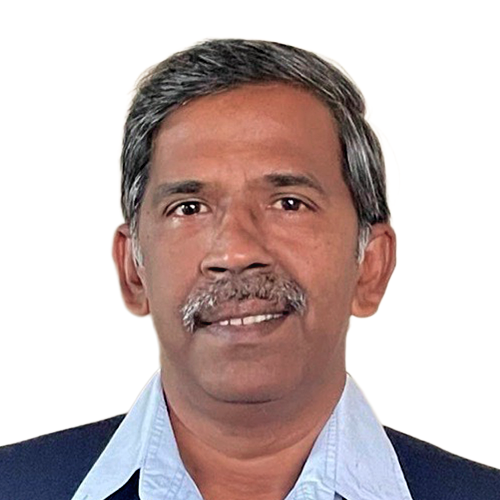
Naharaajan Jayaraman | Moderator
Chief Delivery Officer, VRIZE
Raj leads delivery excellence and enterprise transformation through scalable innovation and operational rigor, helping clients engineer trust at every step.

Joshua Danielson
Founder & CEO, Kustos
Joshua is a seasoned cybersecurity executive with nearly two decades of experience driving security, resilience, and trust across global enterprises in the age of AI.
Shil Majumdar
Director of IT, Assurant
Shil leads software engineering and innovation at Assurant, delivering next-generation customer applications and AI-driven solutions that enhance agility, scalability, and compliance confidence.
Naharaajan Jayaraman
Chief Delivery Officer, VRIZE
Naharaajan leads delivery excellence and client transformation through scalable innovation and operational rigor.
believe AI should NOT enforce compliance without human oversight
struggle with lack of governance frameworks
cite compliance complexity as a blocker
Nearly 70% left the session feeling more confident about governing AI responsibly.
The message was clear: organizations want autonomy but only when paired with clarity, accountability, and trust.
This requires shifting to AI-native defense, including:
These are no longer advanced capabilities, they are the baseline for safe agentic operations.
Accountability cannot be delegated to algorithms.
Every global regulatory model reinforces the same truth: the organization carries the liability, even when AI acts autonomously.
AI failures rarely originate from the model.
They stem from missing alignment, weak oversight, and a lack of operational guardrails.
To unlock trustworthy autonomy, organizations must prioritize:
This is how agentic AI evolves from an efficient tool into a secure, responsible, and enterprise-ready enabler.
Joshua Danielson
Founder & CEO, Kustos
Joshua is a seasoned cybersecurity executive with nearly two decades of experience driving security, resilience, and trust across global enterprises in the age of AI.
Shil Majumdar
Director of IT, Assurant
Shil leads software engineering and innovation at Assurant, delivering next-generation customer applications and AI-driven solutions that enhance agility, scalability, and compliance confidence.
Naharaajan Jayaraman
Chief Delivery Officer, VRIZE
Naharaajan leads delivery excellence and client transformation through scalable innovation and operational rigor.
