
The digital engineering advantage: Driving smarter product innovation

Every groundbreaking product begins as an idea, but today, ideas need more than imagination to thrive. They demand speed, precision, and the power of technology. That’s where digital engineering steps in, redefining how industries think, design, and deliver, turning complexity into opportunity and speed into a competitive edge.
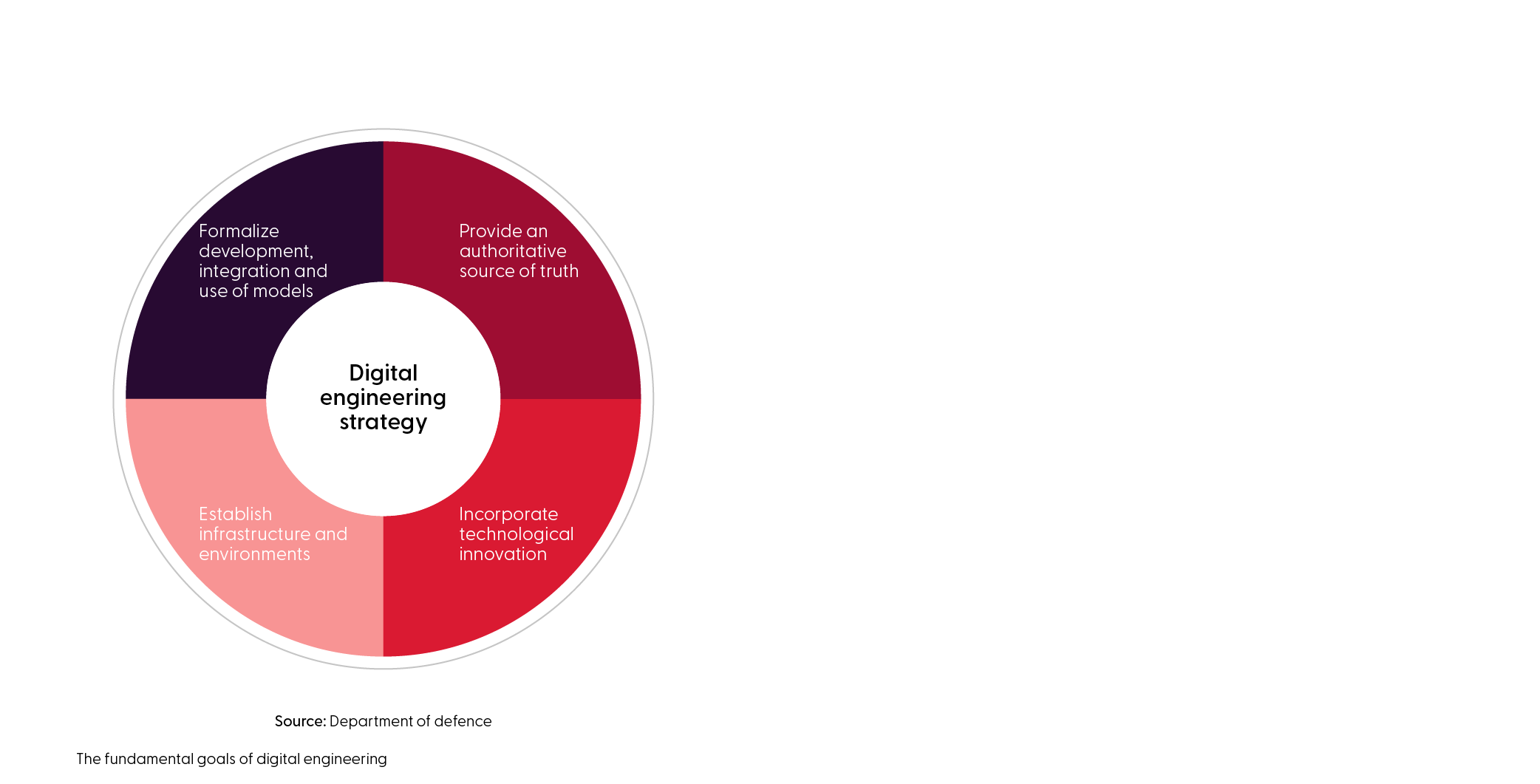
Digital engineering is no longer just an enabler; it’s a catalyst for transformation. By bringing together collaboration, data-driven insights, automation, rapid prototyping, and emerging technologies, it helps organizations to innovate faster, smarter, and with greater resilience. Yes, challenges like legacy integration, data security, cultural resistance, and talent gaps remain. But successful organizations see these not as roadblocks, but as opportunities to build systems that are stronger and more adaptive. The real strength of digital engineering lies in its ability to turn complexity into clarity and ideas into real-world impact, shortening the gap between imagination and execution.
At VRIZE, we believe digital engineering should be seamless, frictionless, adaptive, and outcome-driven. By blending modern technologies with user-centric design, we help organizations accelerate innovation while simplifying complexity. Our approach ensures businesses remain agile, resilient, and ready for tomorrow. To explore how VRIZE can help your organization harness the full potential of digital engineering, please visit us at www.vrize.com
The implementation of digital engineering is not without challenges. Businesses face considerable hurdles, including the integration of new tools with legacy systems, data security, privacy concerns, and internal resistance to change. These barriers can hinder the successful adoption of digital engineering practices, making it crucial for companies to develop strategic approaches to overcome them.
Additionally, talent shortages and skill gaps present further obstacles, as the effective deployment of digital engineering relies heavily on a workforce equipped with the necessary expertise and training.
Having said that, one of the biggest strengths of digital engineering is how it brings people together. With the help of digital platforms, teams from different functions can share information in real time, break down silos, and work side by side. This mix of perspectives not only sparks fresh ideas but also reduces duplication of effort, helping businesses move faster, experiment more, and fine-tune their products much more quickly.
Digital engineering comes with its complexities, but each challenge presents an opportunity to accelerate innovation and gain a competitive edge.

Merging new tools with existing systems can be tricky, but when done strategically, it enables seamless workflows, faster iterations, and greater adaptability. This type of integration transforms potential bottlenecks into engines of continuous innovation, where speed, resilience, and flexibility become measurable advantages.
Transitioning to digital engineering often increases exposure to sensitive data. Therefore, proactively investing in robust cybersecurity and fostering a culture of data responsibility not only mitigates risk but also builds trust, ensuring products can be delivered safely and confidently to market.
One of the foremost obstacles is internal resistance to change. Around 37% of employees resist change in the workplace, which can significantly impede digital transformation initiatives. Internal resistance is natural, but it can be turned into an advantage. With effective management strategies, employees become advocates of innovation, accelerating adoption of new processes and tools. This cultural shift drives faster decision-making, higher collaboration, and smarter product outcomes.
A skilled workforce is the backbone of digital engineering process. Organizations that invest in targeted training and continuous learning empower their teams to leverage cutting-edge tools, turning knowledge gaps into innovation opportunities. The result: faster prototyping, smarter solutions, and iterative product improvement.
While upfront investments can be significant, linking digital engineering initiatives directly to business outcomes ensures measurable returns. Strategic planning and performance tracking turn cost considerations into a roadmap for long-term growth backed by operational efficiency, and accelerated time-to-market.
By approaching these hurdles as opportunities rather than obstacles, organizations can fully harness the potential of digital engineering to deliver smarter, faster, and more resilient products, transforming the challenges into measurable business outcomes.
To effectively gauge the impact of digital engineering initiatives, businesses must adopt a structured approach to measuring success. This involves establishing clear goals and objectives for each phase of the innovation process and implementing a framework for ongoing evaluation. One critical aspect is the use of key performance indicators (KPIs) that can provide both quantitative metrics and qualitative feedback from internal users.
As services are digitized, tracking process efficiency becomes crucial. Key metrics such as lead time and deployment frequency provide clear indicators of how smoothly products are moving from development to production. By focusing on these metrics, organizations can accelerate prototyping and deployment, directly reducing time-to-market and enabling faster delivery of new products and features.
Measuring workforce engagement and perception of digital initiatives is key to understanding how well employees are aligned with transformation goals. These insights support talent management and help ensure that teams are effectively contributing to digital efforts. Engaged employees are more likely to share ideas and adopt new tools, which increases the success rate of digital projects and drives higher product adoption.
Financial performance should go beyond traditional measures like revenue and profit, aligning instead with broader digital objectives. Emphasizing long-term returns over short-term ROI allows organizations to evaluate the true impact of their digital initiatives. Strategic investments in digital transformation can lead to measurable outcomes such as reduced operational costs, higher product adoption rates, and increased customer lifetime value.
Leveraging real-time insights from AI systems enables organizations to iteratively refine products and operations. By identifying issues early, testing solutions, and implementing changes quickly, teams can respond to challenges more effectively. These continuous feedback loops allow organizations to pivot and optimize rapidly, resulting in higher-quality products and improved customer satisfaction.
Digital engineering significantly enhances collaboration and communication among teams, fostering a more integrated approach to product development. And when teams embrace collaboration, innovation follows.
Cross-functional collaboration brings together diverse perspectives, streamlining workflows and aligning long-term objectives. This reduces redundancies while generating ideas that lead to smarter product outcomes. By aligning with the expectations early, teams can accelerate product innovation through stronger communication and shared vision.
Digital engineering is reshaping decision-making by putting data at the core of product development. A unified, model-based view of systems, requirements, and constraints gives teams clarity to explore the available options and align technical choices with project goals. The result: reduced uncertainty and more confident decisions at every stage.
It is important to understand that strong data management is key. As organizations generate vast amounts of lifecycle data, structured practice can ensure integrity, security, and speed. In addition, predictive analytics and machine learning uncover insights that drive faster responses to market trends and customer needs. With real-time analytics and AI-powered insights, decisions stay aligned with business priorities, fueling innovation as well as competitiveness.
Automation plays an important role in enhancing efficiency within digital engineering processes. By streamlining workflows and minimizing the time invested in repetitive tasks, automation tools significantly accelerate development cycles. For instance, automating processes such as testing, deployment, and documentation allows organizations to redirect their focus toward more strategic initiatives, fostering innovation and accelerating product development.
Incorporating automation alongside artificial intelligence (AI) further amplifies these benefits. AI algorithms can optimize operations by predicting maintenance needs, thereby reducing downtime and extending lifespan. Furthermore, automation within DevOps practices allows for the rapid integration of development and testing. This type of integration results in ‘feature-rich digital products’ being developed within shorter timeframes.
And that’s not the end, the advantages of automation extend to data-driven decision-making, where organizations leverage analytics to assist choices throughout the product lifecycle. This reliance on data not only enhances accuracy but also enables teams to respond swiftly to changing market demands and customer expectations, ensuring that the products are aligned with user needs.
Rapid and iterative prototyping empowers teams to test ideas early, gather feedback, and refine functionality before full-scale development. From low-fidelity sketches to high-fidelity interactive models, tools like Figma, Sketch, and InVision enable faster, user-driven innovation, reducing risks and accelerating the overall time-to-market.
Integrating rapid prototyping technologies like 3D printing further enhances this process, allowing for the swift production of functional prototypes. These technologies not only cut costs but also provide essential insights into product performance and usability. By utilizing such tools, organizations can efficiently navigate complexities, address challenges, and ultimately expedite the journey from concept to a market-ready product.
User feedback is integral to the prototyping and iteration process. It can be gathered through various methods, including user interviews, surveys, and analytic tools that track behavior. This ongoing dialogue between users and developers ensures that products are refined continuously to align with user expectations and changing market conditions. Moreover, the agile approach to development promotes improvements, enabling teams to adapt to feedback and enhance user satisfaction over time.
The integration of emerging technologies and advanced data analytics plays a pivotal role in accelerating product innovation. By harnessing these technologies, organizations can automate processes, gain valuable insights, and enhance product capabilities, thus driving a more efficient development cycle.
Artificial intelligence and machine learning are at the forefront of this technological revolution. These tools facilitate automation and streamline processes by enabling predictive analytics and data-driven decision-making. For instance, AI can analyze vast amounts of data to identify patterns and trends, allowing companies to innovate faster and respond to market demands more effectively. As a result, businesses can introduce state-of-the-art solutions, significantly reducing time-to-market and maintaining a competitive edge.
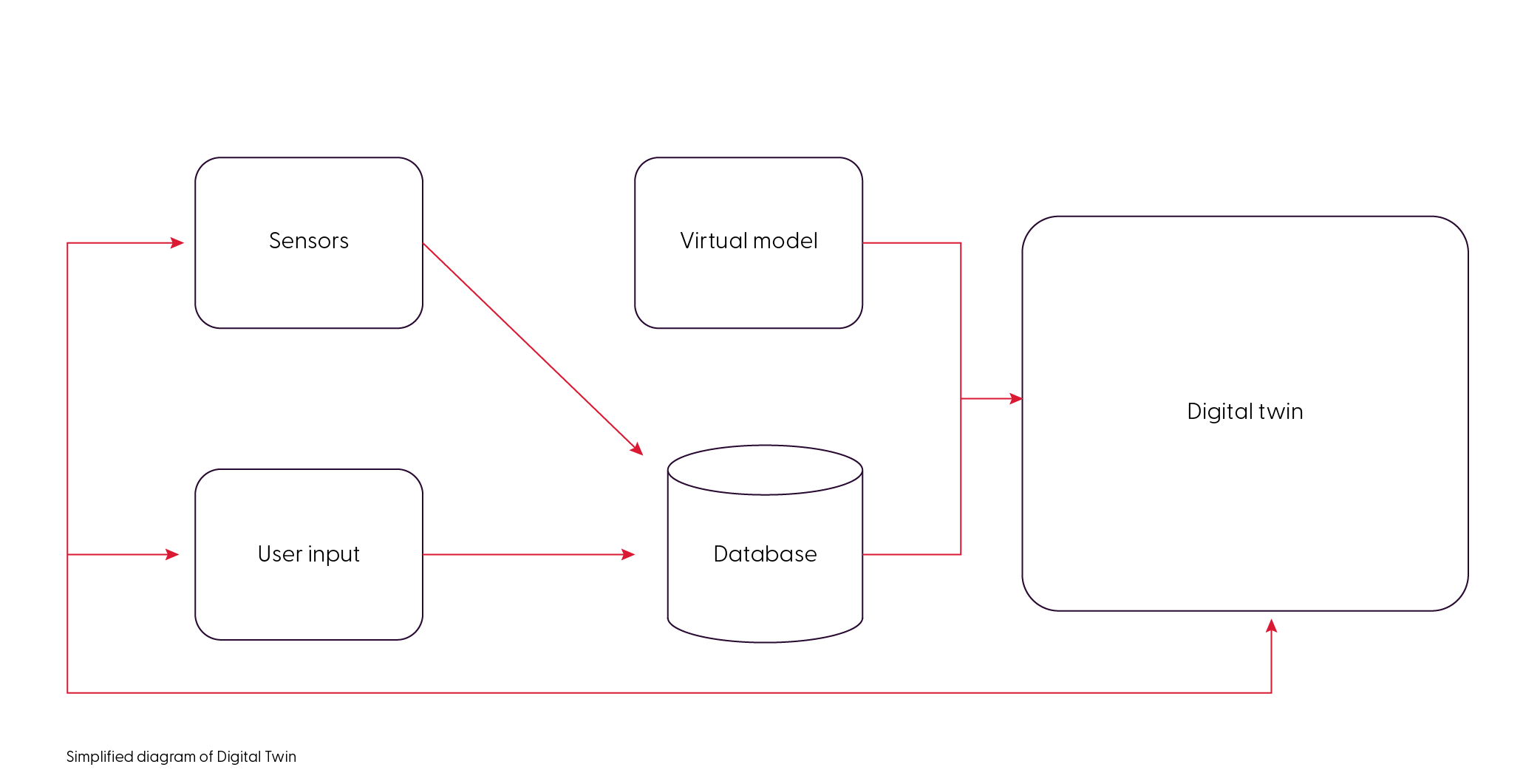
Digital twin technology is a great example of how innovations are reshaping product development. By creating a virtual replica of a product, companies can test different scenarios, optimize designs, and even predict failures before they happen. This helps reduce risks, cut down the costs of physical prototypes, and speed up the entire innovation cycle. At the same time, it also improves the quality and reliability of the final product, ensuring better outcomes with less guesswork.
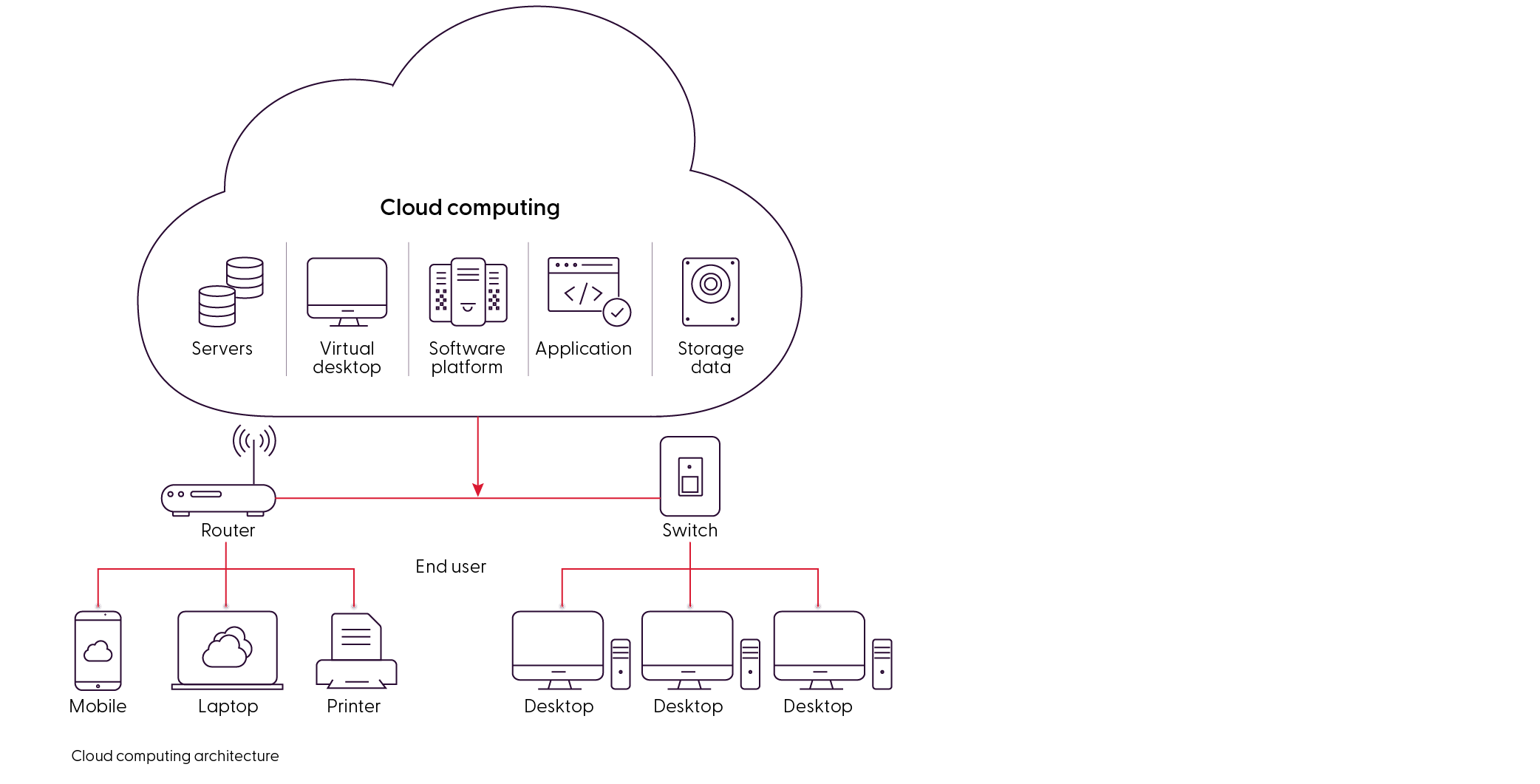
Cloud computing makes it easier for organizations to handle complex models and simulations by providing scalable computing power and ‘storage on demand’. It also brings teams closer together, irrespective of their location. With real-time access to shared information, collaboration becomes smoother, decisions are faster, and the product development process becomes more agile. This connected way of working not only speeds up innovation but also builds a stronger culture of teamwork.
Digital engineering has evolved beyond being a mere enabler, it’s now a driver of transformation. By uniting collaboration, data-driven insights, automation, rapid prototyping, and emerging technologies, it equips organizations to innovate faster, smarter, and more resiliently. Challenges like legacy system integration, data security, cultural resistance, and skill gaps are inevitable, but they also present opportunities to strengthen the existing capabilities and fuel innovation.
Its true power lies in converting complexity into clarity and turning ideas into tangible impact, bridging the gap between imagination and execution. In a world defined by rapid technological change and intense competition, those who adopt digital engineering as a mindset, rather than just a tool will lead, disrupt, and shape the future.
The advantage isn’t just building products faster; it’s building them smarter, with resilience and impact. That’s the promise of digital engineering.
