
Trends to watch: The future of smart segmentation and personalization

Segmentation has entered a new era. The days of grouping customers by age, gender, or income are over. Today’s leading brands know demographics alone don’t capture behaviors, motivations, or intent.
Over the years, this segmentation has evolved. With new technologies, changing consumer behaviors, and fluctuating economic variables, businesses realized they needed to dig deeper. Instead of just knowing who their customers are, the focus gradually shifted to what they care about, how they behave, and why they make those certain choices. This opened the door to hyper-personalized marketing that feels less like a sales pitch and more like a conversation.
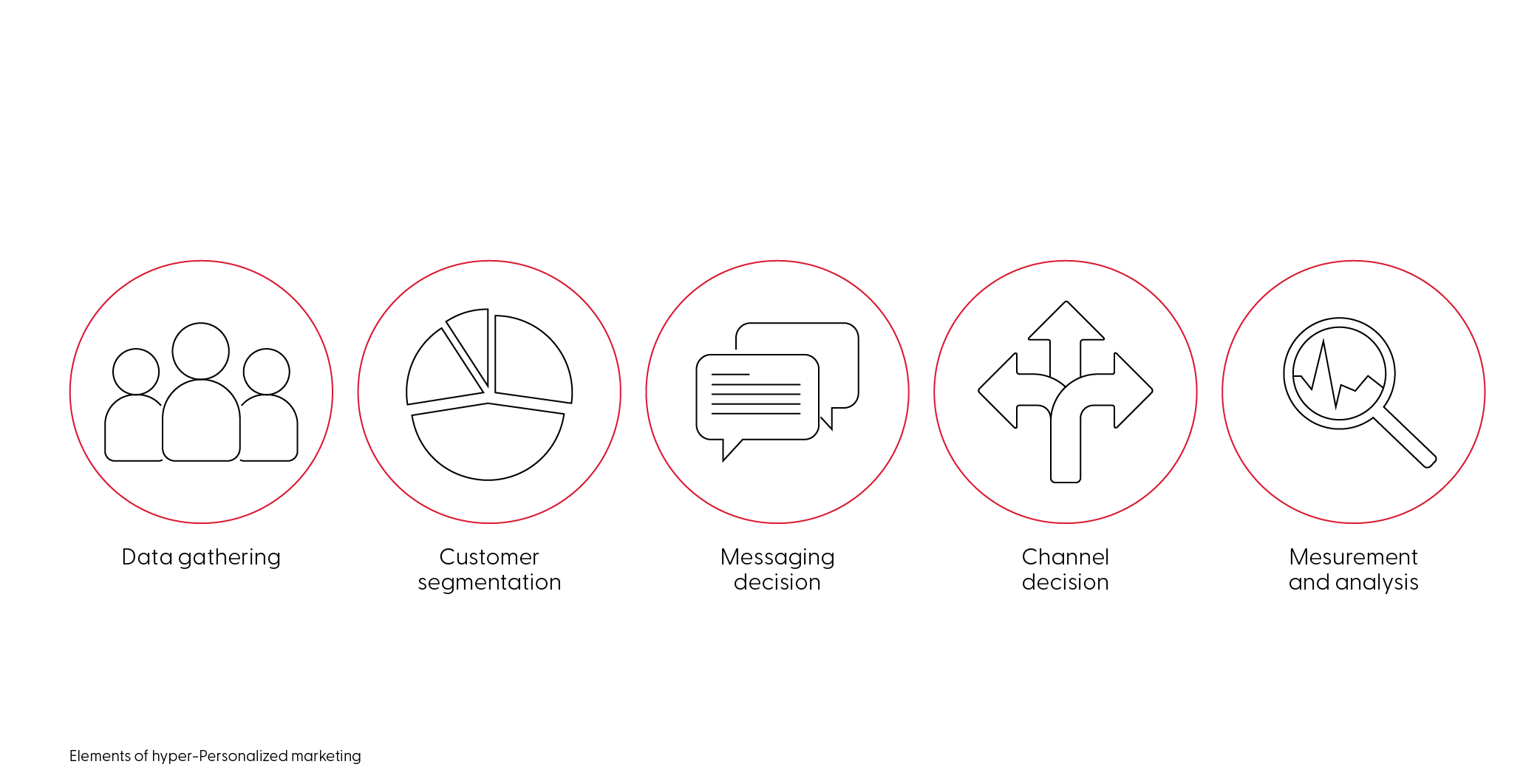
With the advent of digital technologies and data analysis, segmentation took a leap forward. Businesses started to use advanced algorithms and machine learning techniques. Instead of static categories, advanced algorithms now uncover actionable micro-segments based on browsing patterns, purchase histories, and behavioral triggers.
With AI and real-time data collection, businesses can dynamically personalize campaigns shifting from broad demographic groups to behavior-driven strategies that adapt instantly to customer intent.
At VRIZE, we leverage AI-driven personalization to help enterprises move beyond campaigns that “talk at” customers to experiences that adapt in real time making every interaction more relevant, contextual, and impactful.
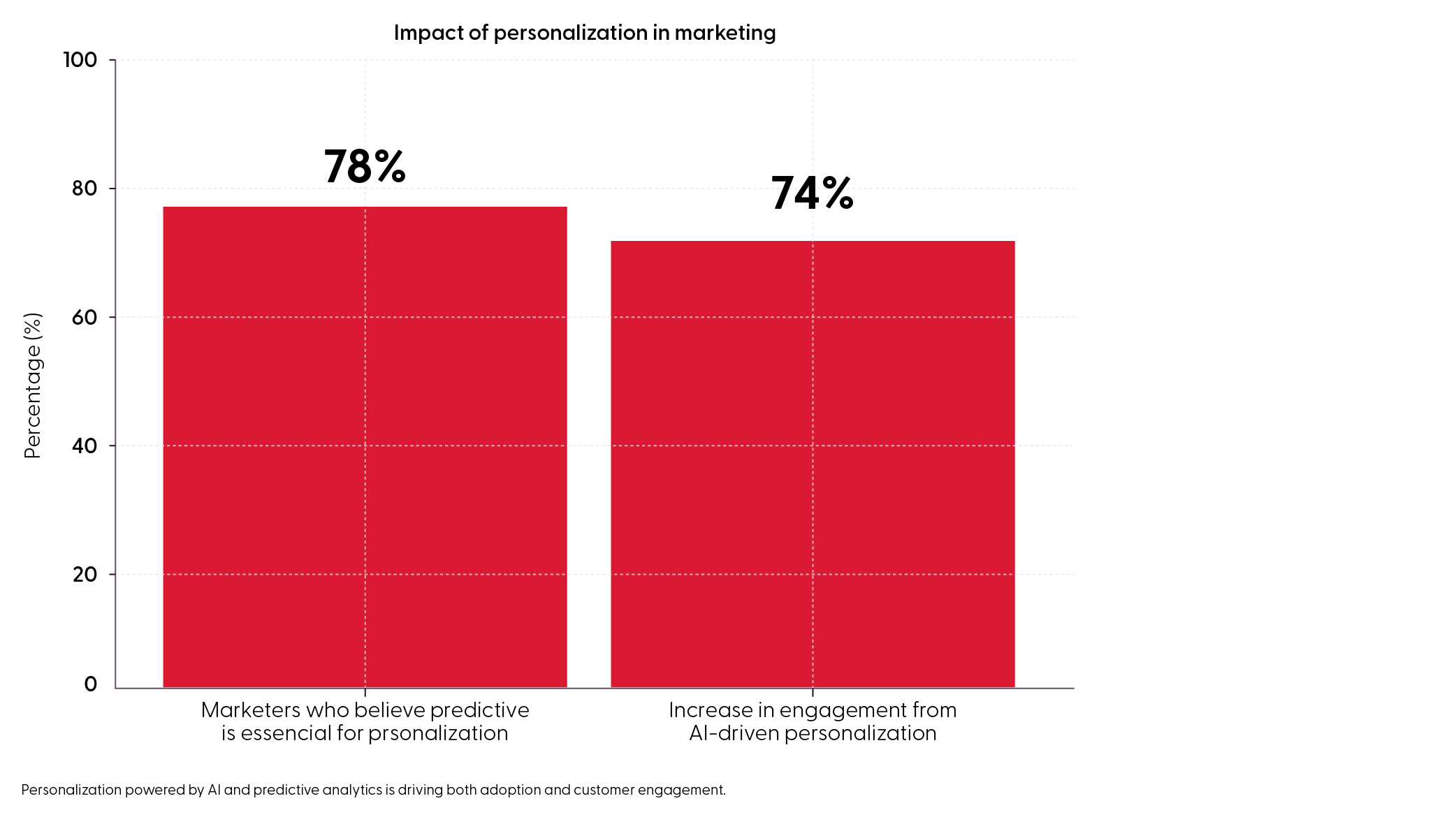
As businesses struggle to meet changing consumer expectations, personalization has become a key focus in marketing strategies. Customers are looking for tailored experiences, prompting companies to invest in technologies that enable customized interactions. 78% of marketers believe predictive analytics is essential for delivering personalized experiences, while brands that adopt AI-driven personalization report a 74% increase in engagement.
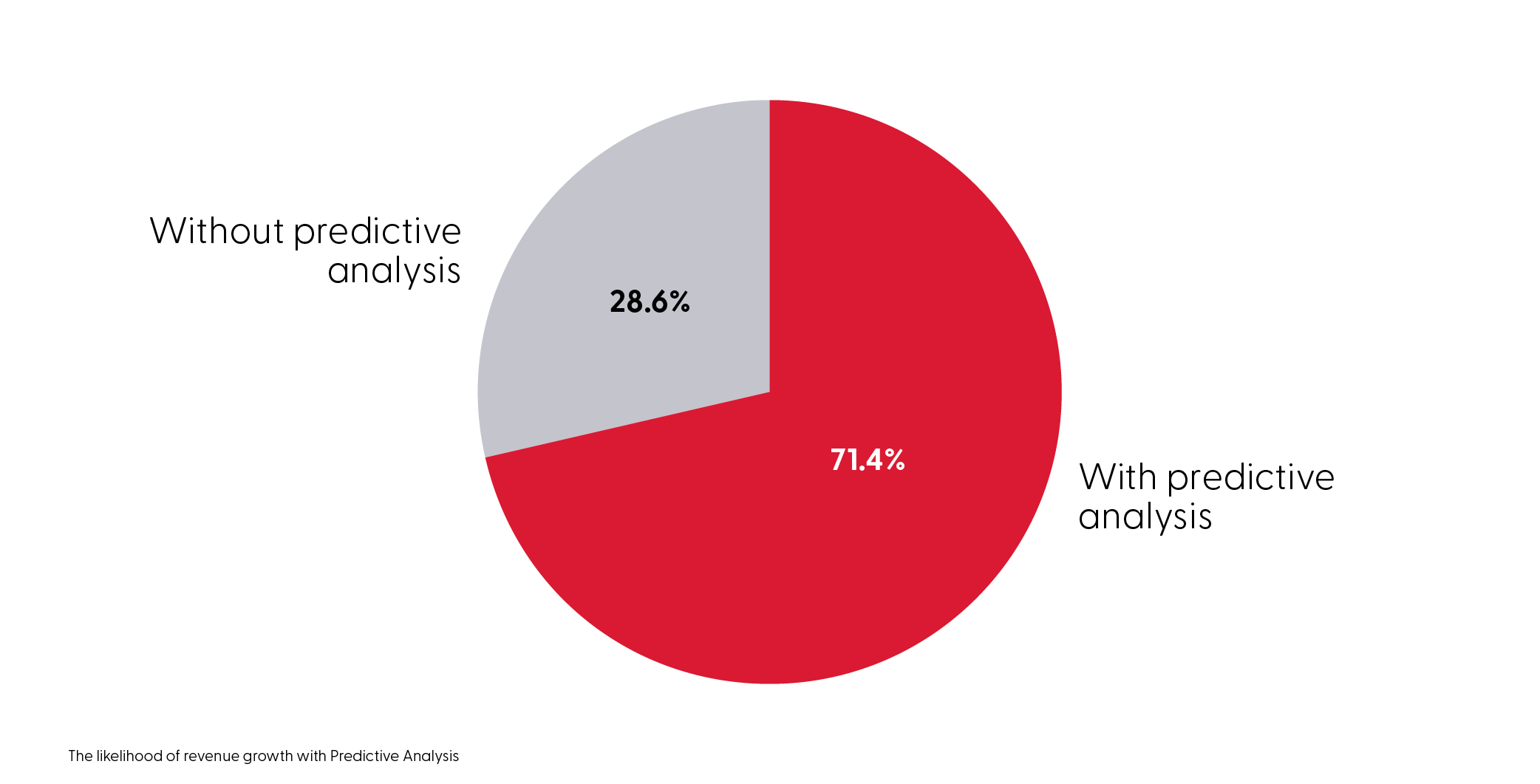
The use of predictive analytics in marketing strategies is gradually gaining momentum. These AI-driven models help businesses in predicting customer behaviors, such as purchasing choices and churn risk, by analyzing various data sources, including browsing history and social media activity. Companies using predictive analytics are 2.5x more likely to achieve significant revenue growth. At VRIZE, we integrate tools like Azure ML and Power BI to build predictive models for QSR, retail, and healthcare clients, helping them optimize spend and maximize ROI.
Automated segmentation processes powered by AI are changing how marketers target audiences. Self-optimizing algorithms continuously refine criteria based on performance, ensuring faster iteration, higher accuracy, and lower acquisition costs. This agility is especially powerful in fast-changing sectors like quick-service restaurants and retail, where speed-to-market is critical.
With the growth of personalized marketing, concerns about data privacy have also increased. Regulations like GDPR and CCPA urge companies to focus on data protection in their segmentation efforts. 75% of consumers trust companies that actively demonstrate data protection practices. We embed ethical AI frameworks into every engagement, ensuring compliance and trust while still delivering personalization at scale.
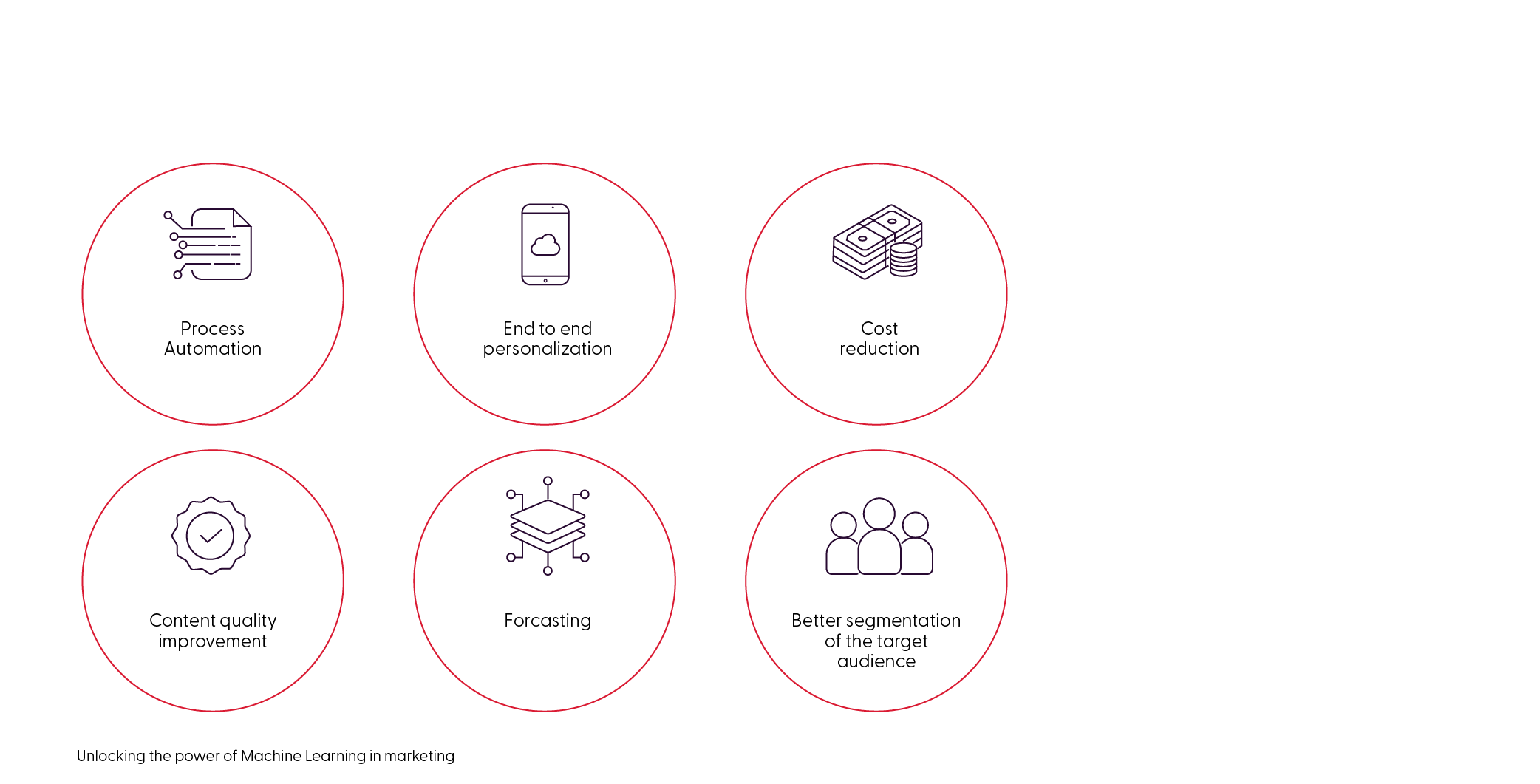
Machine learning (ML) is becoming an essential tool in smart segmentation and personalization. By examining large volumes of customer data, ML algorithms can identify patterns and preferences that guide content creation and marketing efforts. Amazon and Netflix use ML-powered recommendation engines to enhance engagement. At VRIZE, we also deploy ML models to optimize segmentation and predict future demand, ensuring campaigns deliver precision and impact.
As machine learning continues to advance, its role in customer segmentation and personalization will only expand, enabling even more effective and targeted marketing campaigns.
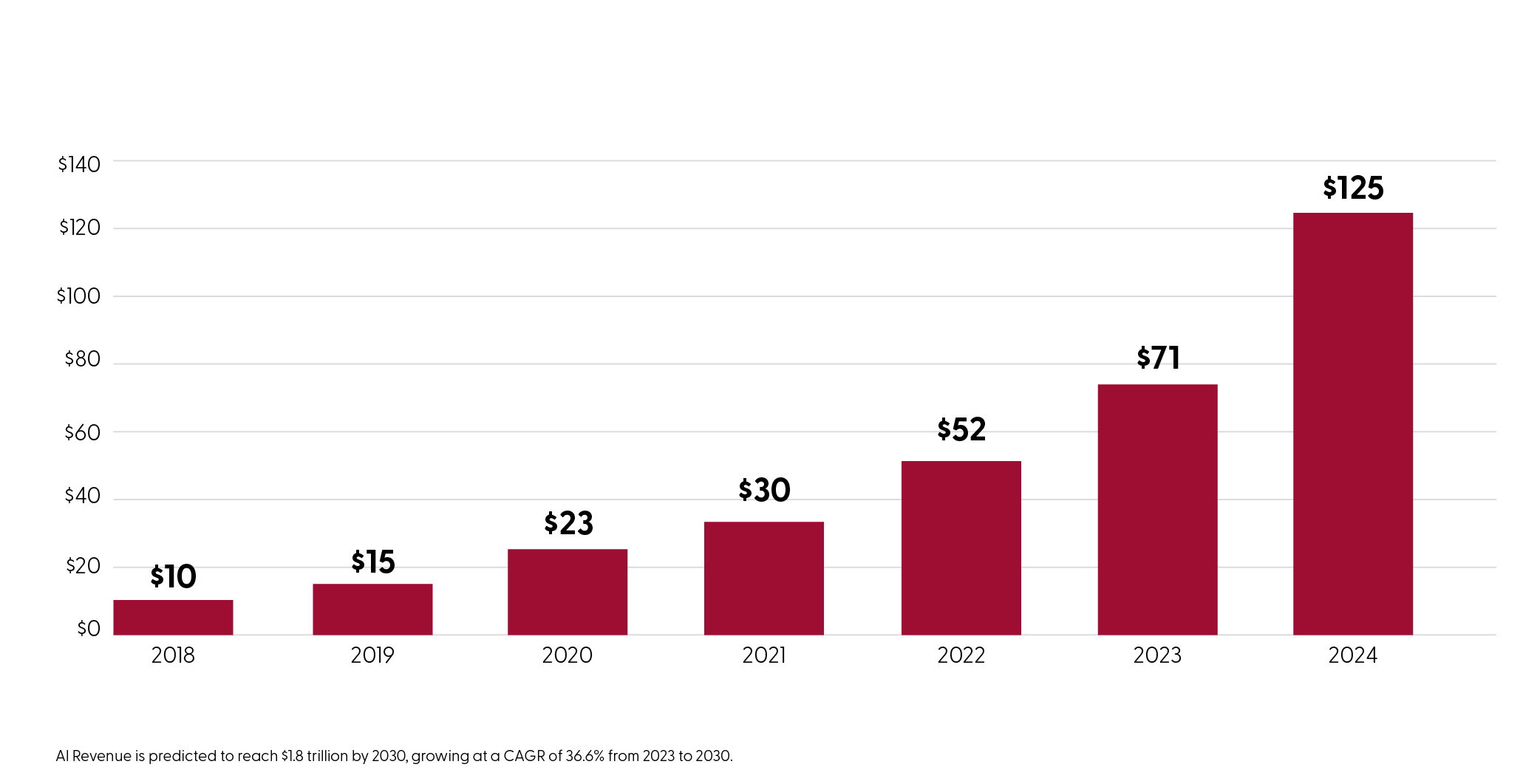
As we look forward, customer segmentation and personalization are on the brink of a major transformation. Advances in artificial intelligence, combined with rising consumer expectations, are reshaping the way businesses connect with their audiences. The global AI market is projected to soar to $1.8 trillion by 2030, growing at 36% annually. This explosive growth will unlock new possibilities for dynamic micro-segmentation, moving personalization from broad strokes to finely tuned experiences crafted for each individual.
Personalization is moving beyond guessing what customers want to knowing when and how they want it. Today, 44% of companies use predictive analytics, and by 2025, these tools will also enable real-time marketing. Brands will be able to connect with customers at the perfect moment, creating interactions that feel like conversations, not campaigns.
Technology will continue to serve as the backbone of this shift. CRM systems, advanced analytics, and intelligent marketing platforms will continue to assist businesses target the right audiences with precision and the ability to interpret their behavior in real time will be essential for adapting to shifting buying cycles or sudden economic changes.
At the same time, personalization must also earn trust. Nearly 85% of consumers prefer brands that are transparent about data use, and regulations like GDPR and CCPA reinforce this. We will also see a shift toward psychographic segmentation, focusing on values, lifestyles, and motivations rather than just age or income.
Ultimately, the future of segmentation lies in combining technology, psychology, and trust. Businesses that embrace this holistic approach will create personalized, meaningful experiences that define the next era of marketing.
At VRIZE, we view the future of segmentation as an evolution from static marketing tactics to dynamic, data-driven strategies designed to enable deeper customer engagement. The days of broad segmentations are behind us; today, it’s about understanding people at the level of values, behaviors, and intent. With AI, predictive analytics, and ethical data practices as our foundation, we empower businesses to go beyond personalization and step into anticipation, reaching customers with relevance, empathy, and trust. For us, segmentation is not about dividing audiences, but about uniting brands and people through experiences that matter.
This is the future we are intending to build: one where technology and humanity converge to create meaningful engagements.
